The Real Truth: Iphone Air or Samsung Galaxy S25 Fe?
Category: Mobile Phones
Introduction
The mobile phone market continues to evolve rapidly, and two names have recently dominated conversations among buyers seeking a balance of performance, design, and value: the Iphone Air and the Samsung Galaxy S25 Fe. Both aim to blend flagship features with more approachable price points, but they approach that goal from different philosophies. This article breaks down the real-world strengths and trade-offs of each device, focusing on what matters to typical buyers: display quality, performance, camera capabilities, battery life, software and ecosystem, durability, and overall value for money.
Who are these phones for?
Understanding the typical buyer helps frame the comparison:
- Everyday smartphone users who prioritize smooth performance, clean software experiences, and reliable cameras for social posts or family photos.
- Value-conscious buyers who want many flagship features without paying flagship prices.
- Power users who need sustained performance for multitasking, gaming, or content creation and care about accessory ecosystems.
- Buyers invested in an ecosystem (Apple or Samsung/Android) who weigh device choice against the convenience of device continuity and services.
Design and build: feeling and ergonomics
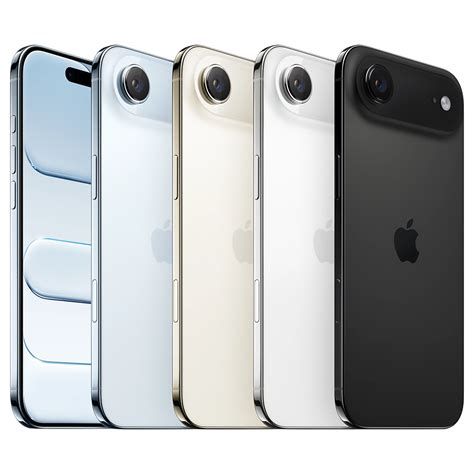
Design remains a major differentiator. The Iphone Air emphasizes a lightweight, minimalist aesthetic with an emphasis on premium materials and a compact footprint. Its edges tend to be refined, and the build often prioritizes one-handed comfort and a recognizable design language that aligns with Apple’s product family.
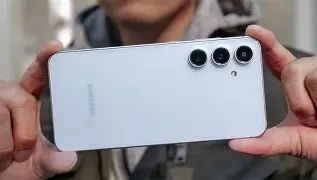
The Samsung Galaxy S25 Fe typically follows Samsung’s approach to modern smartphone design: a slightly more utilitarian shape with emphasis on slim bezels, curved or flat display options depending on the region, and practical button placements. Samsung often positions the FE (Fan Edition) models to feel premium while using cost-optimized materials in areas that do not affect perceived quality.
Real-world considerations
In everyday handling, buyers report that a lighter, narrower phone is easier to use for extended periods (reading, one-handed texting, phone calls). Heavier phones can feel more substantial and durable but may be less comfortable during prolonged single-handed use or when jogging. Both devices should include water and dust resistance ratings suitable for everyday spills and rainy-day use, which matters to buyers who use a phone outdoors frequently.
Display: color, brightness, and refresh
For many buyers, the display is one of the most important features. Both the Iphone Air and the Samsung Galaxy S25 Fe generally target high-quality panels with strong color reproduction and adaptive refresh rates. Samsung has historically excelled in panel manufacturing, supplying vivid AMOLED displays with deep blacks and high peak brightness, which benefits outdoor visibility.
Apple’s displays prioritize color accuracy and consistent tone mapping across apps, making them attractive for users who edit photos or value a natural visual presentation. Adaptive refresh rates—allowing the screen to scale down to save power or ramp up for smoother animations and gaming—are now expected in this segment and are typically present in both phones.
Find top-rated Mobile Phones products at great prices.
View Offers →Performance: daily speed and sustained use
Performance is affected by the processor, thermal design, RAM, and software optimization. The Iphone Air leans on Apple’s silicon and well-known optimization between hardware and software, which often results in snappy day-to-day performance and excellent single-core speeds. This benefits app responsiveness and longevity: apps tend to feel fast even a few years after release.
The Samsung Galaxy S25 Fe typically uses a high-quality chipset aimed at strong multi-core performance and energy efficiency. Samsung models often provide more RAM out of the box and nuanced power management settings, allowing for reliable multitasking and background app retention. In real-world scenarios—browsing with many tabs open, switching between apps, or playing resource-intensive games—both phones are likely to satisfy most users, but benchmark-oriented power users may notice differences in sustained workloads and thermal throttling.
Camera systems: versatility and real-world output
Cameras are a decisive factor for many buyers. The Iphone Air usually focuses on producing consistent, natural-looking images with reliable color science, strong video stabilization, and robust video codecs. Apple’s processing tends to favor realistic skin tones and balanced highlights, which is preferred by a broad group of content creators and family photographers.
The Samsung Galaxy S25 Fe often emphasizes versatility—wider-angle lenses, higher-resolution telephoto or periscope options on some variants, and a suite of in-camera features for creative control. Samsung’s image processing tends to produce punchier colors and sharper contrast, which can create eye-catching content straight out of the camera.
Real-world camera use cases
- Social media creators who post frequently will appreciate quick, reliable autofocus and strong video stabilization—areas where both devices typically perform well.
- Travel photographers often favor wider dynamic range and better low-light performance; Apple’s computational photography and Samsung’s multi-frame stacking approaches both aim to improve these scenarios differently.
- Buyers who prefer minimal editing may gravitate toward Samsung’s punchier presets, while those who edit extensively might prefer Apple’s flatter, more color-accurate files as a starting point.
Battery life and charging
Battery life in everyday use depends on display settings, background activity, and power efficiency. Buyers commonly care about full-day endurance under mixed use—calls, messaging, GPS navigation, social apps, and some streaming. Both the Iphone Air and the Samsung Galaxy S25 Fe are designed to make it through a typical day for most users, but heavy users who stream video or play games extensively will need to pay attention to settings such as adaptive refresh rate, screen brightness, and background location services.
Charging philosophies differ: Samsung often supports faster wired and wireless charging options, plus reverse wireless charging in many models, while Apple emphasizes battery health management and steady charging speeds. Practical buyers who want rapid top-ups between meetings or during travel should factor in charging speed and the availability of compatible chargers.
Software and ecosystem: continuity versus openness
Software is where buyer preferences become highly personal. The Iphone Air runs Apple’s mobile OS with seamless integration across Apple devices—iMessage, continuity features, and unified services—which is a massive advantage for buyers already invested in the Apple ecosystem. Apple’s tight control over software updates and app quality also contributes to long-term reliability.
The Samsung Galaxy S25 Fe runs Android with Samsung’s customization layer and added features like DeX or enhanced multitasking. Android’s openness offers more flexibility—custom launchers, default apps, and expanded file system access—appealing to buyers who prefer control. Samsung’s update cadence has improved in recent years, narrowing the ecosystem gap, but buyers should still consider long-term update promises when choosing a platform.
Shop the latest Mobile Phones picks on Amazon.
Shop Amazon →Durability, repairs, and resale value
Durability relates to materials, drop resistance, and software longevity. Apple devices traditionally hold strong resale value, which matters to buyers planning to upgrade in a couple of years. Samsung’s devices, particularly the FE lineup, balance repairability and cost; Samsung also provides official repair channels and parts availability on many models.
Buyers who prioritize minimal repair downtime and strong resale should consider the long-term update policy and market preferences in their region. Insurance and protection plans can further influence the total cost of ownership.
Comparison table
| Category | Iphone Air | Samsung Galaxy S25 Fe |
|---|---|---|
| Design | Lightweight, refined finish, compact ergonomics | Modern aesthetic, slightly larger footprint, practical form |
| Display | Color-accurate panel, consistent tone mapping | Vivid AMOLED, high peak brightness, strong outdoor visibility |
| Performance | Optimized hardware/software for snappy responsiveness | Strong multi-core performance, more RAM for multitasking |
| Camera | Natural color science, reliable video features | Versatile lens options, punchier image processing |
| Battery & Charging | Balanced endurance, emphasis on battery health | Typically faster charging options, long day endurance |
| Software & Ecosystem | Seamless Apple ecosystem, long-term updates | Customizable Android experience, broader compatibility |
| Best for | Users invested in Apple services and those who value consistent performance | Users wanting flexibility, more hardware features, and screen-first experiences |
Pros & Cons
Iphone Air
- Pros:
- Consistent and polished software experience with strong optimization
- Reliable camera output and video capabilities for everyday creators
- Strong resale value and extended software support
- Comfortable ergonomics for one-handed use
- Cons:
- Less hardware flexibility compared with Android alternatives
- Accessory ecosystem often locked to proprietary standards
- Potentially slower charging compared to some competitors
Samsung Galaxy S25 Fe
- Pros:
- Vivid display with strong outdoor visibility and high peak brightness
- More flexible hardware options and customization
- Typically faster charging options and extra features (e.g., reverse charging)
- Good value for buyers seeking flagship-like traits at a lower price
- Cons:
- Software layer may feel heavier to users who prefer a minimal OS
- Image processing can be aggressive for those who prefer natural tones
- Resale value can be more variable depending on market
Buying guide: deciding which is right
Choosing between the Iphone Air and the Samsung Galaxy S25 Fe comes down to priorities. The following checklist helps translate common buyer priorities into a decision.
Checklist by priority
- If continuity and simplicity matter: The Iphone Air wins when a buyer relies on Apple services (cloud backup, messaging, desktop/laptop integration) and values a tightly controlled user experience with long-term software support.
- If display quality and customization matter: The Samsung Galaxy S25 Fe is preferable for those who want the brightest display, more tactile customization, and additional hardware features such as faster wired/wireless charging.
- If camera tone and video workflows matter: Choose based on output preference—Apple for natural, consistent files that play well across apps; Samsung for punchier, immediately shareable photos and a more diverse lens set.
- If price and total cost of ownership matter: Compare bundled accessories, typical trade-in values, and local repair costs. Samsung models may offer attractive initial pricing; Apple devices often retain higher resale which offsets initial cost for some buyers.
- If longevity and updates matter: Factor in announced software update policies. Apple historically supports devices for many years; Samsung has been improving update windows, but confirmation should be checked for the specific model year.
Real-world scenarios
- Frequent traveler: A buyer who uses navigation, translates on the go, and relies on ultra-reliable battery and network performance may favor the phone with the best battery endurance and connectivity in their region. Consider charging speed and whether power-saving features are effective in real-life use.
- Content creator on social platforms: Video stabilization, consistent selfie results, and quick sharing pipelines matter. Apple’s integration with editing apps and reliable metadata handling may save time; Samsung’s creative camera modes can help create more varied content without post-processing.
- Family phone for everyday use: Ease of use, reliable camera for kids’ photos, and longevity through updates are important. The Iphone Air’s simplicity and resale value make upgrades predictable; the Samsung model delivers value and feature depth for families who share devices.
Final thoughts and conclusion
Both the Iphone Air and the Samsung Galaxy S25 Fe aim to deliver the most important smartphone experiences—great displays, reliable cameras, and smooth performance—while moderating price. The Iphone Air prioritizes a cohesive, long-lasting software experience, refined ergonomics, and consistent photo and video output. The Samsung Galaxy S25 Fe focuses on display excellence, hardware feature richness, and flexibility that appeals to power users and those who value customization.
Ultimately, the decision should hinge on ecosystem preferences, display and camera priorities, and how the device will be used day to day. Buyers who are already embedded in Apple’s ecosystem and who value long-term software support will likely find the Iphone Air the more satisfying choice. Buyers who prioritize display brightness, hardware flexibility, and a feature-laden Android experience will find strong reasons to choose the Samsung Galaxy S25 Fe.
Both phones are solid in their own right; weighing the trade-offs against personal priorities and regional pricing will lead to the right choice for most buyers. The best outcome is a device that reliably fits into daily life—delivering the performance, battery life, and camera results that matter most in the user’s typical real-world scenarios.